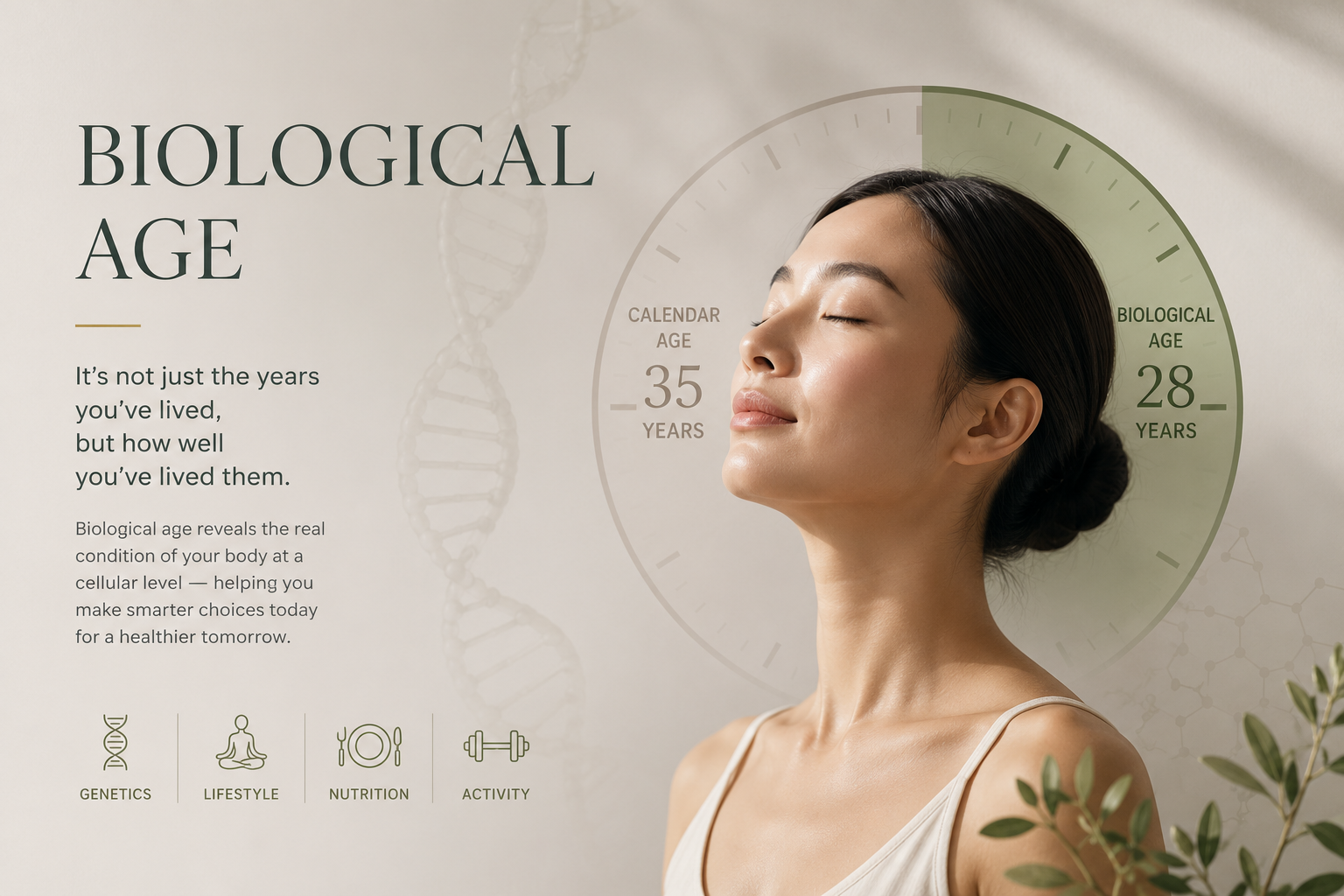

The Foundation of Healthy Aging
Longevity is not defined only by living longer—it is about maintaining health, independence, and quality of life throughout the years.
While advanced therapies and medical innovations continue to expand the field of longevity, the foundation of healthy aging remains consistent: restorative sleep, nourishing nutrition, and regular physical activity.
These daily habits influence many biological processes involved in aging, including metabolism, inflammation, cardiovascular health, brain function, and physical resilience.
Sleep: The Foundation of Recovery and Repair
Sleep is one of the most important pillars of health and longevity. During sleep, the body performs essential processes related to recovery, memory, immune function, hormone regulation, and cellular repair.
Poor sleep quality or insufficient sleep may be associated with:
- Reduced energy and focus
- Changes in appetite regulation
- Increased stress response
- Impaired physical recovery
- Reduced metabolic health
Supporting healthy sleep involves more than simply increasing hours in bed. Important factors include:
- Maintaining a consistent sleep schedule
- Creating a calming sleep environment
- Managing light exposure, especially in the evening
- Limiting stimulants close to bedtime
- Addressing underlying sleep concerns when needed
Nutrition: Providing the Building Blocks for Health
Nutrition plays a central role in supporting healthy aging by providing the nutrients needed for energy production, tissue maintenance, and metabolic balance.
A longevity-focused approach to nutrition often emphasizes:
- Adequate protein intake to support muscle maintenance
- A variety of colorful vegetables and fruits
- Healthy fats that support cardiovascular and cellular health
- High-quality sources of essential nutrients
- Minimally processed foods when possible
Personalized nutrition considers individual factors such as age, activity level, metabolic health, lifestyle, and personal goals.
There is no single diet that works for everyone. The most effective approach is one that is sustainable and aligned with individual needs.
Exercise: Maintaining Strength, Mobility, and Resilience
Physical activity is one of the most powerful tools for supporting healthy aging.
Regular exercise contributes to:
- Muscle strength and maintenance
- Bone health
- Cardiovascular fitness
- Metabolic function
- Balance and mobility
- Cognitive well-being
A balanced longevity-focused exercise routine may include:
Strength Training
Supports muscle preservation, functional ability, and metabolic health.
Cardiovascular Exercise
Supports heart health, endurance, and overall fitness.
Mobility and Flexibility Training
Helps maintain movement quality and physical independence.
Recovery Practices
Allow the body to adapt and improve while reducing unnecessary strain.
The Connection Between Lifestyle and Longevity
Sleep, nutrition, and exercise are deeply connected. Improving one area often supports improvements in another.
For example:
- Better sleep can support healthier food choices and exercise recovery.
- Regular movement can improve sleep quality and metabolic health.
- Balanced nutrition provides the energy needed for physical activity and recovery.
Together, these foundational practices influence the biological processes that contribute to healthspan.
Personalized Longevity: Beyond One Approach
Modern longevity medicine recognizes that aging is influenced by many interconnected factors. Advanced assessments, biomarkers, and targeted therapies may provide additional insights, but they work best when combined with strong lifestyle foundations.
The goal is not simply to add more years to life, but to support more healthy, active, and fulfilling years.
Building Your Personal Longevity Strategy
Healthy aging is a continuous process shaped by daily choices and long-term habits.
By prioritizing quality sleep, thoughtful nutrition, regular movement, and preventive health practices, individuals can create a strong foundation for lifelong vitality and resilience.
Medical Disclaimer: This information is for educational purposes only and does not replace personalized medical advice. Individual health needs vary, and recommendations should be discussed with a qualified healthcare professional.