
Physician-reviewed educational content: This article has been prepared for educational purposes using current clinical guidelines and peer-reviewed evidence. Treatment decisions should always be individualized through consultation with a qualified healthcare professional.
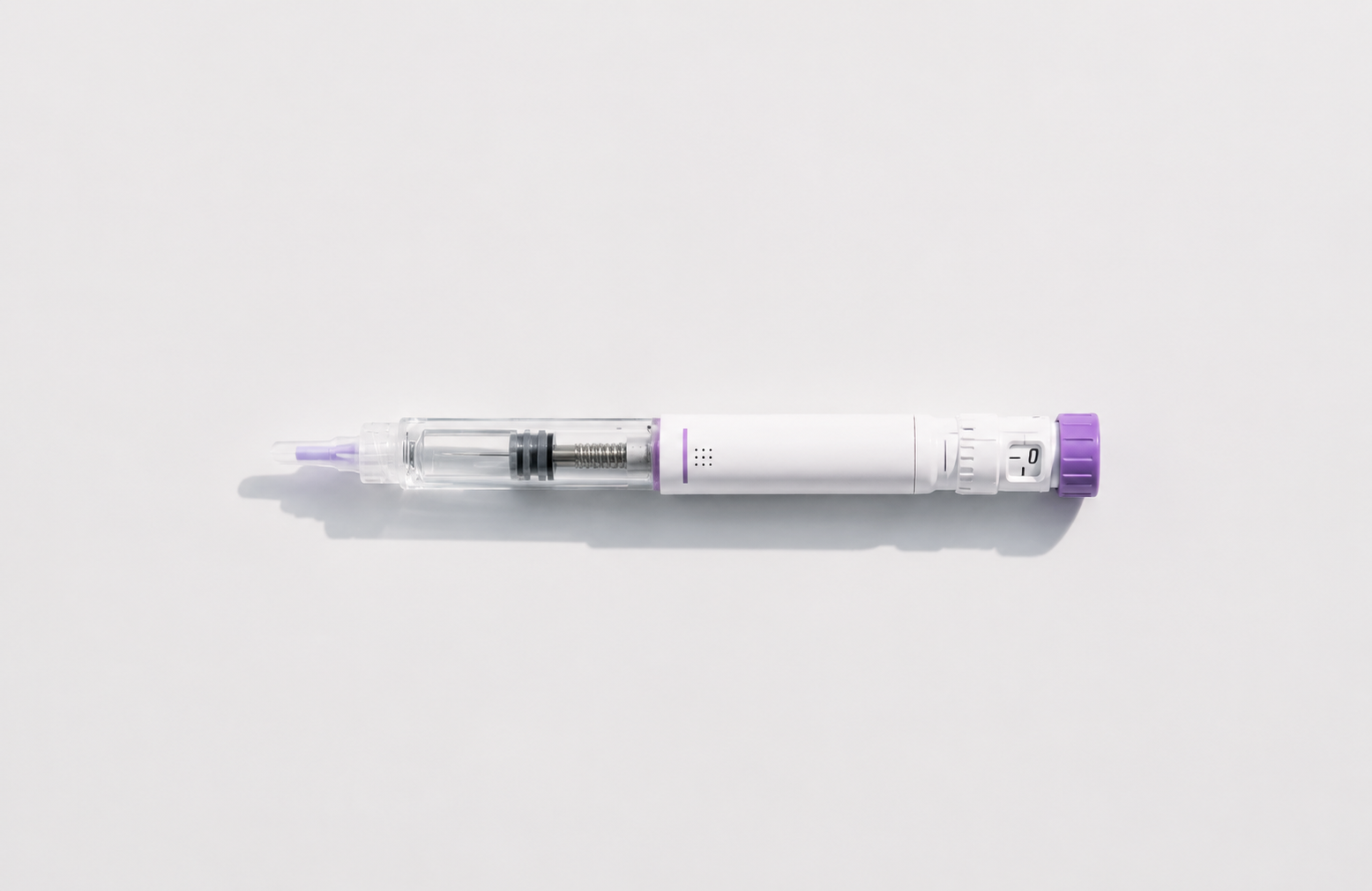
Prescription GLP-1 receptor agonists have changed the landscape of medical weight management over the past several years. These injectable medications are increasingly used within physician-supervised weight management programs because they may help regulate appetite and support meaningful body weight reduction when combined with healthy lifestyle changes.
If you are comparing Semaglutide vs Saxenda in Bangkok, you may wonder which medication works better, which is more convenient, and whether one is more suitable for your medical history. The answer is rarely the same for every person.
Both medications are prescription treatments that require physician assessment. They are designed to complement—not replace—nutrition, physical activity, sleep, and long-term behavior change.
What Are GLP-1 Weight Loss Injections?
GLP-1 stands for glucagon-like peptide-1, a naturally occurring hormone released by the intestines after eating. This hormone helps regulate blood sugar, slows gastric emptying (the movement of food from the stomach into the small intestine), promotes satiety or fullness, and influences appetite regulation within the brain.
GLP-1 receptor agonists are medications that mimic the actions of this natural hormone. By activating GLP-1 receptors, these treatments may help reduce hunger, increase fullness after meals, and support lower calorie intake.
Because obesity is a complex chronic condition influenced by genetics, hormones, lifestyle, and environment, modern obesity management often combines medication with lifestyle modification and ongoing physician supervision.
What Is Semaglutide?
Semaglutide is a long-acting GLP-1 receptor agonist. It is available under different brand names for different indications, including diabetes management and chronic weight management. For obesity management, semaglutide is administered as a once-weekly injection. Its long duration of action provides sustained activation of GLP-1 receptors throughout the week. Clinical studies suggest that semaglutide may produce clinically meaningful weight reduction when used alongside dietary changes and increased physical activity. The STEP clinical trial program demonstrated significant average body weight reduction among adults with overweight or obesity who received semaglutide together with lifestyle intervention. However, treatment outcomes varied among participants, and medication should always be individualized.
What Is Saxenda?
Saxenda contains liraglutide, another GLP-1 receptor agonist approved for chronic weight management in eligible adults and certain adolescents.
Unlike semaglutide, liraglutide requires a once-daily injection because it has a shorter duration of action.
Clinical studies, including the SCALE trials, found that liraglutide may support weight management when combined with reduced-calorie nutrition and increased physical activity. Although effective for many patients, average weight reduction observed in clinical trials has generally been lower than that reported in semaglutide studies. Direct comparisons should be interpreted carefully because study populations and trial designs differ.
Semaglutide vs Saxenda: Key Differences
| Feature | Semaglutide | Saxenda |
| Active ingredient | Semaglutide | Liraglutide |
| Medication class | GLP-1 receptor agonist | GLP-1 receptor agonist |
| Injection schedule | Weekly | Daily |
| Administration | Subcutaneous injection | Subcutaneous injection |
| Clinical evidence | STEP trials | SCALE trials |
| Average body weight reduction | Generally greater in clinical studies | Clinically meaningful but generally lower |
| Convenience | Weekly dosing | Daily dosing |
| Common side effects | Gastrointestinal symptoms | Gastrointestinal symptoms |
| Physician monitoring | Recommended throughout treatment | Recommended throughout treatment |
Which Medication Works Better?
Current evidence suggests that semaglutide may produce greater average body weight reduction than liraglutide in many patients. The STEP clinical trials reported larger average percentage weight loss compared with results observed in the SCALE studies.
However, these findings should not be interpreted as proof that semaglutide is the best choice for everyone. Individual response varies, and several factors influence treatment success, including adherence, lifestyle habits, underlying medical conditions, and medication tolerance.
For some patients, a daily injection may fit comfortably into an established routine. Others may prefer the convenience of weekly dosing. A physician considers these factors alongside BMI, health history, medications, and personal preferences before recommending treatment.
Side Effects Comparison
Both medications share similar side effects because they belong to the same drug class.
Common side effects
- Nausea
- Vomiting
- Diarrhea
- Constipation
- Reduced appetite
- Stomach discomfort
These symptoms often occur during dose escalation and may improve as the body adjusts to treatment. Gradual dose increases are designed to improve tolerability.
Rare but serious risks
Although uncommon, GLP-1 receptor agonists may carry important risks that require medical assessment.
Potential concerns include:
- Gallbladder disease
- Acute pancreatitis
- Dehydration related to prolonged vomiting
- Kidney complications secondary to dehydration
- Boxed warning regarding thyroid C-cell tumors based on rodent studies
Patients with a personal or family history of medullary thyroid carcinoma or Multiple Endocrine Neoplasia syndrome type 2 (MEN2) generally should not use these medications.
Who May Be a Candidate?
A physician may consider either medication for adults with obesity or overweight who meet appropriate BMI criteria, particularly when weight-related health conditions are also present.
Suitability depends on several factors:
- BMI
- Medical history
- Current medications
- Previous weight-loss attempts
- Personal preferences
- Treatment goals
No single medication is appropriate for every patient.
Who Should Avoid These Medications?
GLP-1 receptor agonists are not appropriate for everyone.
A physician may recommend alternative options for individuals with:
- Pregnancy or plans to become pregnant
- Personal or family history of medullary thyroid carcinoma
- MEN2 syndrome
- Previous pancreatitis
- Certain gastrointestinal disorders
- Other contraindications identified during consultation
A comprehensive medical assessment remains essential before treatment begins.
Lifestyle Still Matters
Medication works best as one component of a comprehensive weight management program.
Healthy habits continue to play a central role, including:
- Balanced nutrition
- Regular physical activity
- Adequate sleep
- Stress management
- Sustainable behavior change
Evidence consistently shows that combining medication with lifestyle modification produces better long-term outcomes than either approach alone.
Cost of Semaglutide vs Saxenda in Bangkok
Medication cost varies depending on several factors, including prescribed dose, treatment duration, follow-up schedule, and clinic services.
When comparing options, patients should consider the complete treatment program rather than medication cost alone. A physician-supervised plan often includes:
- Initial consultation
- Medical assessment
- Body composition analysis
- Individualized treatment planning
- Follow-up visits
- Lifestyle coaching
- Progress monitoring
Choosing the Right Weight Loss Injection
There is no universally “best” medication.
Instead, the most appropriate treatment depends on:
- BMI
- Medical history
- Lifestyle
- Existing health conditions
- Previous treatment response
- Injection preference
- Physician recommendations
Shared decision-making between patient and physician helps identify the most appropriate option based on current evidence and individual circumstances.
Medical Weight Loss at SESH Clinic
Medical weight management at SESH Clinic emphasizes physician-supervised care and individualized treatment planning.
Assessment may include:
- Comprehensive physician consultation
- Body composition analysis
- Personalized nutrition guidance
- Lifestyle coaching
- Follow-up monitoring
- Ongoing review of treatment response
Depending on clinical assessment, eligible patients may discuss prescription options such as semaglutide or liraglutide alongside broader strategies for long-term weight management.
Related services:
- Medical Weight Loss
- Semaglutide
- Saxenda
- Weight Loss Injections
- Body Composition Analysis
- Longevity Medicine
- Medical Team
- Book a Consultation