
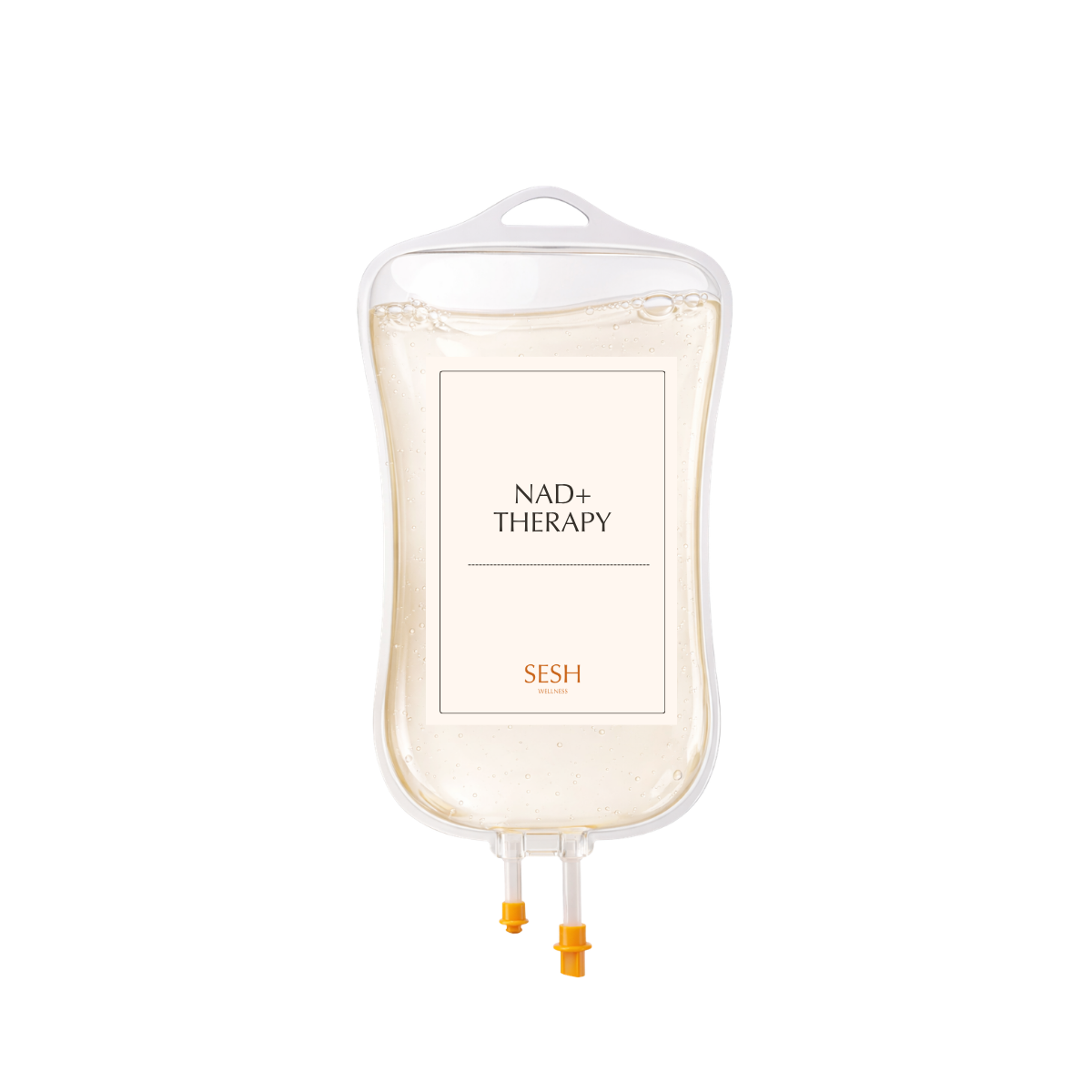
NAD+ IV Therapy has become one of the most discussed treatments in longevity and wellness medicine. Interest in NAD+, short for nicotinamide adenine dinucleotide, has grown because of its role in cellular energy production, metabolic function, and healthy aging.
NAD+ is a naturally occurring coenzyme found in every living cell. A coenzyme is a molecule that helps enzymes carry out essential chemical reactions in the body. Without adequate NAD+, many biological processes would not function efficiently.
Researchers continue to study NAD+ because it participates in energy metabolism, mitochondrial function, cellular repair processes, and neurological function. As a result, healthcare professionals and longevity medicine practitioners have explored whether supporting NAD+ levels may contribute to overall wellness and healthy aging.
At the same time, it is important to separate scientific evidence from marketing claims. Although NAD+ has become popular in wellness settings, current research continues to evolve. Therefore, NAD+ IV Therapy should be viewed through an evidence-based lens rather than as a cure, anti-aging treatment, or guaranteed solution for health concerns.
This guide explains what NAD+ is, how NAD+ IV Therapy works, what current research suggests, and why medical supervision remains an important part of treatment.
What Is NAD+?
NAD+ stands for nicotinamide adenine dinucleotide. It is a coenzyme that exists naturally in the human body and plays a central role in cellular energy production.
Every cell requires energy to function. NAD+ helps facilitate the chemical reactions that convert nutrients from food into usable cellular energy. Because of this role, NAD+ is involved in nearly every major biological system.
NAD+ contributes to:
- Cellular energy production
- Mitochondrial function
- Energy metabolism
- Cellular repair processes
- Neurological function
- Metabolic health
Researchers often describe NAD+ as a critical molecule for life because cells rely on it to perform essential tasks.
The body produces NAD+ naturally. In addition, certain nutrients help support NAD+ production through normal metabolic pathways. These nutrients include niacin (Vitamin B3) and related compounds that serve as precursors to NAD+.
Why NAD+ Matters in the Human Body
NAD+ plays a role in hundreds of biological reactions throughout the body.
One of its most important functions involves cellular energy production. Cells generate energy inside structures called mitochondria. Mitochondria are often referred to as the “powerhouses” of the cell because they convert nutrients into usable energy.
NAD+ helps transport electrons during these energy-producing reactions. As a result, it supports the body’s ability to generate cellular energy efficiently.
Beyond energy metabolism, NAD+ also participates in:
Mitochondrial Function
Healthy mitochondria help support normal cellular activity. Because NAD+ contributes to mitochondrial processes, researchers continue to study its relationship with overall cellular health.
Cellular Repair Processes
Cells experience ongoing wear and tear from normal metabolism and environmental exposures. NAD+ plays a role in pathways involved in cellular maintenance and repair.
Neurological Function
The brain requires significant amounts of energy to function properly. Because NAD+ supports energy metabolism, researchers have investigated its relationship with neurological function and cognitive health.
Metabolic Health
NAD+ participates in pathways related to nutrient metabolism and metabolic regulation. Therefore, scientists continue to explore its role in overall metabolic health.
NAD+ Levels and Aging
One reason NAD+ has attracted attention in longevity medicine involves age-related changes in NAD+ levels.
Research suggests that NAD+ availability may decline with age. Scientists continue to investigate why these changes occur and what effects they may have on cellular function.
Several factors may influence NAD+ levels, including:
- Age
- Lifestyle habits
- Physical activity
- Sleep quality
- Nutrition
- Chronic stress
- Overall health status
Because NAD+ participates in energy metabolism and cellular maintenance, researchers have explored whether supporting NAD+ levels may contribute to healthy aging.
However, it is important to understand the limits of current evidence.
Although NAD+ is associated with several biological processes linked to aging, researchers have not established that increasing NAD+ levels can reverse aging or restore youthful function. Many questions remain unanswered, and additional human studies are needed.
As a result, healthcare professionals should avoid age-reversal claims and focus instead on evidence-based discussions of healthy aging and wellness.
What Is NAD+ IV Therapy?
NAD+ IV Therapy involves administering nicotinamide adenine dinucleotide through an intravenous infusion.
During treatment, healthcare professionals deliver NAD+ directly into the bloodstream through a vein. This process is often referred to as intravenous NAD+ administration or NAD infusion therapy.
Clinicians may include NAD+ IV Therapy within broader wellness protocols that focus on:
- Wellness support
- Recovery support
- Longevity-focused wellness
- Cellular health
- Metabolic wellness
Many providers combine NAD+ with other evidence-based wellness strategies, including nutrition, exercise, sleep optimization, and preventive healthcare.
Importantly, NAD+ IV Therapy should always occur under clinician supervision. Treatment protocols vary based on individual goals, health history, and provider recommendations.
Potential Benefits of NAD+ IV Therapy
Interest in NAD+ IV Therapy stems largely from NAD+’s role in cellular energy production and metabolic function.
However, healthcare professionals should discuss potential benefits carefully and avoid overstating current evidence.
Energy Metabolism Support
NAD+ participates directly in cellular energy production. Therefore, maintaining adequate NAD+ availability may support normal energy metabolism.
However, NAD+ should not be described as an instant energy booster or fatigue treatment.
Wellness Support
Many individuals pursue NAD wellness therapy as part of broader wellness programs.
When combined with healthy lifestyle habits, clinician-supervised therapy may contribute to overall wellness goals.
Recovery Support
Healthcare providers sometimes incorporate NAD infusion therapy into recovery-focused wellness protocols.
Researchers continue to study how NAD+ may interact with cellular pathways involved in recovery and physiological resilience.
Longevity-Focused Wellness
Because NAD+ participates in pathways associated with healthy aging, longevity medicine practitioners have shown growing interest in NAD therapy.
However, longevity research remains an evolving field. Therefore, patients should understand that evidence continues to develop and that individual responses vary.
 Doctor consultation included
  120 mins
 THB 6,900-60,000