
Vitamin C in IV Therapy is a common part of clinician-supervised wellness programs. Healthcare providers often include it in protocols that support hydration, antioxidant activity, recovery, and overall wellness.
Also known as intravenous vitamin C or a vitamin C infusion, this therapy delivers vitamin C directly into the bloodstream through an IV. As a result, providers can combine vitamin C with fluids, electrolytes, and other nutrients in a personalized wellness plan.
Vitamin C plays an important role in many everyday body functions. For example, it supports immune system activity, collagen production, and protection against oxidative stress. Oxidative stress occurs when unstable molecules, called free radicals, build up in the body and affect normal cell function.
Although research on vitamin C IV therapy continues to grow, healthcare providers generally use it as a wellness support tool rather than a treatment for disease.
What Is Vitamin C?
Vitamin C, also known as ascorbic acid, is a water-soluble vitamin that supports normal cell function and overall health.
Your body cannot produce vitamin C on its own. In addition, it does not store large amounts for long periods. Therefore, you must obtain vitamin C regularly through food, supplements, or nutrient therapy.
Vitamin C plays a role in:
- Antioxidant support
- Immune system function
- Collagen production
- Wound healing
- Iron absorption
- Cellular health
One of vitamin C’s most recognized functions is antioxidant support. Antioxidants help protect cells from damage caused by free radicals. Because of this role, vitamin C helps support normal cellular health and recovery.
Vitamin C also contributes to collagen production. Collagen is a protein that helps support healthy skin, blood vessels, connective tissues, and joints.
According to the NIH Office of Dietary Supplements, vitamin C remains an essential nutrient for overall health and normal immune function.
Why Vitamin C Is Used in IV Therapy
Healthcare providers often include vitamin C in wellness IV therapy because it supports several important body functions.
During IV therapy, clinicians deliver nutrients directly into the bloodstream. As a result, vitamin C bypasses the digestive system and becomes part of a personalized infusion protocol.
When you take vitamin C by mouth, your digestive tract absorbs it before it enters circulation. However, absorption may decrease as doses increase. IV delivery allows healthcare providers to administer vitamin C differently under professional supervision.
Clinicians commonly include vitamin C in:
- Hydration IV Therapy
- Recovery-focused IV protocols
- Immune support IV therapy
- Wellness IV Therapy
- Antioxidant infusion programs
Many people seek vitamin C infusions during periods of increased physical stress. For example, some individuals use wellness IV therapy while traveling, after intense exercise, or during demanding schedules.
In addition, healthcare providers can tailor fluid levels, nutrient combinations, and dosing to match individual wellness goals.
Potential Benefits of Vitamin C in IV Therapy
Researchers continue to study vitamin C IV therapy. While evidence continues to evolve, current research supports a balanced and evidence-aware approach.
Antioxidant Support
Vitamin C functions as a powerful antioxidant. Therefore, it may help support the body’s natural defenses against oxidative stress.
Because of this role, many wellness clinics include vitamin C in antioxidant-focused IV protocols.
Immune System Support
Vitamin C plays a role in normal immune system function. In addition, it helps support immune cells that contribute to the body’s natural defense processes.
Some people choose immune support IV therapy during travel, seasonal changes, periods of stress, or times of poor sleep.
However, vitamin C IV therapy should not be viewed as a treatment or cure for illness.
Recovery and Wellness Support
Healthcare providers often include vitamin C in recovery-focused wellness protocols.
When combined with hydration and electrolytes, vitamin C may support:
- Hydration after travel
- Recovery after physical activity
- General wellness support
- Nutritional support during demanding schedules
At the same time, individual responses vary. Therefore, IV therapy should complement healthy habits such as good nutrition, regular sleep, exercise, and routine medical care.
Collagen and Cellular Health
Vitamin C contributes to collagen production and cellular health.
Because collagen helps support skin, connective tissue, and blood vessels, many providers include vitamin C in wellness-focused infusion programs.
In addition, vitamin C supports normal cell function throughout the body.
Oral Vitamin C Supplements
Many people use oral vitamin C supplements as part of their daily wellness routine.
Potential benefits include:
- Convenience
- Easy access
- Lower cost
- Daily nutritional support
However, the digestive system must absorb oral supplements before the body can use them.
IV Vitamin C Therapy
IV therapy delivers vitamin C directly into the bloodstream under healthcare professional supervision.
Potential advantages include:
- Direct nutrient delivery
- Personalized wellness protocols
- Hydration support
- Professional monitoring
A qualified healthcare provider can help determine which approach best fits your health goals and wellness needs.
Safety and Considerations
Most healthy adults tolerate vitamin C IV therapy well when qualified healthcare professionals administer it appropriately.
However, IV nutrient therapy is not right for everyone. Therefore, healthcare providers perform medical screening before treatment.
Potential side effects may include:
- Mild discomfort at the IV site
- Temporary flushing
- Cool sensations during infusion
- Headache
- Lightheadedness
- Nausea
Kidney Health Considerations
People with certain kidney conditions may require additional evaluation before treatment.
For example, healthcare providers may review kidney health and medical history before recommending high-dose vitamin C protocols.
G6PD Deficiency
Glucose-6-phosphate dehydrogenase (G6PD) deficiency is an inherited condition that affects how red blood cells function.
Because high-dose vitamin C may not be appropriate for some individuals with G6PD deficiency, providers may recommend screening when necessary.
Why Screening Matters
Before treatment, a healthcare professional should review:
- Medical history
- Current medications
- Allergies
- Existing health conditions
- Hydration status
As a result, providers can create safer and more personalized wellness protocols.
For evidence-based information, organizations such as the NIH, Mayo Clinic, and Cleveland Clinic provide valuable educational resources on vitamin supplementation and IV therapy.
Who May Benefit From Vitamin C IV Therapy?
People choose Vitamin C in IV Therapy for many wellness-related reasons.
Depending on your health history and wellness goals, a healthcare provider may discuss IV therapy if you:
- Want hydration and nutritional support
- Travel frequently
- Participate in intense exercise
- Seek antioxidant support
- Prefer clinician-supervised wellness programs
- Experience periods of increased physical stress
However, not everyone needs IV therapy. Therefore, a qualified healthcare professional should evaluate each person individually.
Why Medical Supervision Matters
Medical supervision plays an important role in IV therapy safety.
Before treatment begins, healthcare providers review your health history, medications, and wellness goals. Then, they determine whether IV therapy fits your needs.
Clinician-supervised care helps ensure:
- Appropriate patient screening
- Safe nutrient selection
- Personalized infusion protocols
- Ongoing monitoring
- Professional support throughout treatment
As a result, patients receive care that aligns with their individual health profile and wellness goals.
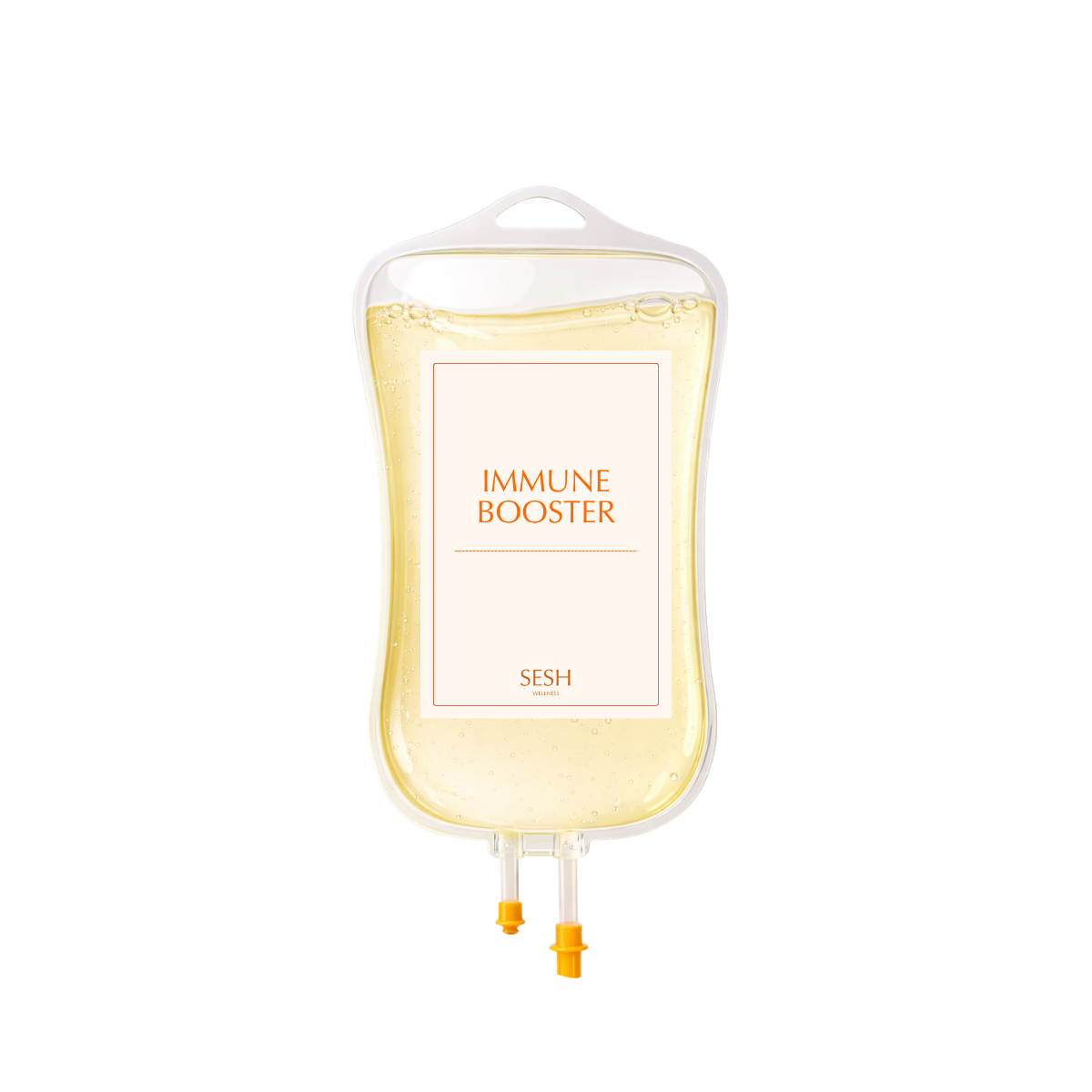
 45 mins
 THB 1,890 - 11,920
 Doctor consultation is optional