
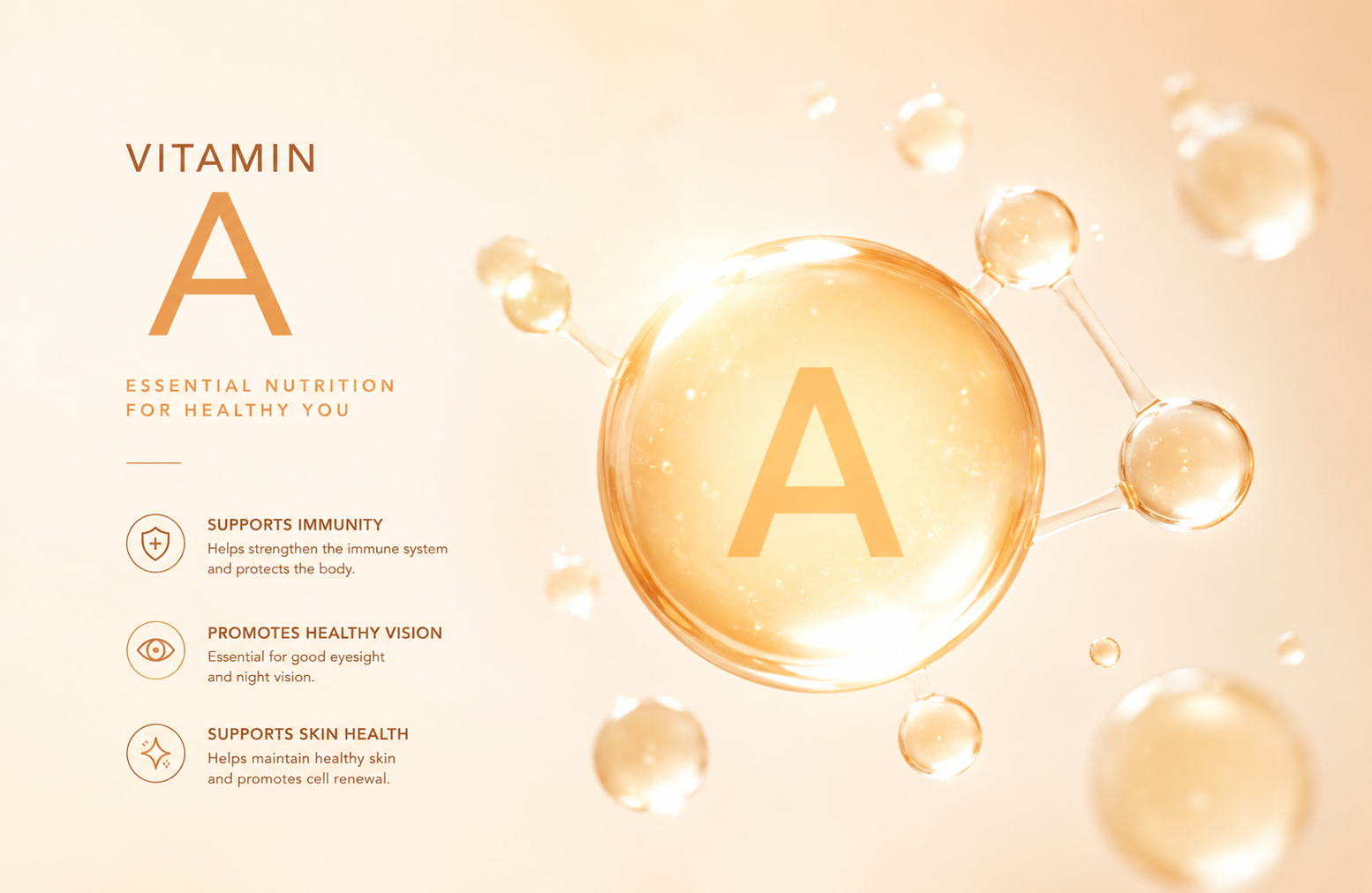
What Is Vitamin A?
Vitamin A in IV Therapy may be included in personalized wellness protocols because Vitamin A plays an important role in vision health, immune system function, and cellular health. Vitamin A is a fat-soluble nutrient, which means the body stores it in fatty tissues and the liver for future use.
Vitamin A exists in several forms. Preformed Vitamin A, also called retinol, is found in animal-based foods. Provitamin A carotenoids, such as beta-carotene, are found in fruits and vegetables and can be converted into Vitamin A by the body.
Vitamin A plays a role in:
- Vision health
- Immune system function
- Cellular differentiation
- Nutrient metabolism
- Skin and tissue maintenance
- Normal growth and development
Because Vitamin A supports several essential biological processes, maintaining appropriate levels is important for overall health.
Why Vitamin A Matters for Overall Health
Vitamin A contributes to many functions throughout the body. Therefore, healthcare providers often consider Vitamin A status when evaluating nutritional wellness.
One of Vitamin A’s key functions involves cellular differentiation. Cellular differentiation is the process by which cells develop into specialized cells with specific roles. This process helps support normal tissue maintenance and healthy physiological function.
In addition, Vitamin A contributes to:
- Normal immune activity
- Tissue integrity
- Cellular health
- Nutrient metabolism
- Eye health
Because these functions occur continuously, adequate Vitamin A intake supports overall wellness and normal body function.
Vitamin A and Vision Health
Vitamin A is well known for its role in vision health.
The retina, a light-sensitive layer at the back of the eye, requires Vitamin A to function properly. Vitamin A helps support the production of visual pigments that allow the eyes to respond to changes in light.
As a result, Vitamin A contributes to:
- Normal visual function
- Night vision support
- Retinal health
- Overall eye wellness
However, Vitamin A IV therapy should not be viewed as a treatment for vision disorders or a method to restore eyesight. Instead, it supports the body’s normal physiological processes related to eye health.
Vitamin A and Immune Function
Vitamin A also plays a role in immune system function.
The immune system relies on healthy tissues and specialized immune cells to function normally. Vitamin A contributes to the maintenance of these tissues and supports several immune-related pathways.
Researchers continue to study the relationship between Vitamin A status and immune health. Current evidence suggests that adequate Vitamin A intake supports normal immune function as part of overall nutritional wellness.
At the same time, Vitamin A is not a cure for illness and should not replace appropriate medical care or preventive health measures.
Why Vitamin A May Be Included in Wellness Protocols
Healthcare providers sometimes include Vitamin A in wellness-focused nutrient therapy programs when clinically appropriate.
During clinician-supervised IV therapy, nutrients are delivered directly into the bloodstream as part of a personalized wellness plan. Providers may combine Vitamin A with hydration, vitamins, minerals, and other nutrients depending on individual needs and treatment goals.
Many wellness protocols focus on supporting nutritional status and overall health. Therefore, Vitamin A may be considered as one component of a broader wellness strategy.
However, Vitamin A requires careful assessment because both deficiency and excessive intake can present health concerns.
Potential Benefits of Vitamin A in IV Therapy
Vitamin A IV therapy may support wellness when administered under appropriate medical supervision.
Vision Health Support
Vitamin A contributes to normal visual function and retinal health. Therefore, maintaining adequate Vitamin A levels may support overall eye wellness.
Immune Wellness Support
Because Vitamin A participates in immune system function, it may contribute to healthy immune activity as part of a comprehensive wellness plan.
Cellular Health Support
Vitamin A supports cellular differentiation and tissue maintenance. As a result, it may help support normal cellular health and physiological function.
Nutritional Wellness Support
Healthcare providers may include Vitamin A within personalized nutrient therapy programs designed to support overall nutritional status.
However, responses vary among individuals. Therefore, treatment decisions should always be guided by clinical assessment and professional judgment.
Vitamin A IV Therapy vs Oral Supplements
You can obtain Vitamin A through food, dietary supplements, and clinician-supervised nutrient therapy.
Oral Vitamin A Supplements
Many people obtain sufficient Vitamin A through foods such as dairy products, eggs, fish, liver, and colorful fruits and vegetables.
Potential benefits of oral supplementation include:
- Convenience
- Easy access
- Lower cost
- Daily nutritional support
However, oral supplements must pass through the digestive system before absorption.
Vitamin A IV Therapy
IV therapy delivers nutrients directly into the bloodstream under healthcare professional supervision.
Potential considerations include:
- Direct nutrient delivery
- Personalized wellness protocols
- Professional monitoring
- Integration with other nutrients
A qualified healthcare provider can help determine which approach best aligns with your nutritional needs and wellness goals.
Safety and Considerations
Vitamin A requires careful clinical assessment because both low and high levels may affect health.
Before treatment begins, healthcare providers typically evaluate:
- Medical history
- Current medications
- Existing health conditions
- Nutritional status
- Pregnancy status
- Wellness goals
Certain individuals may require additional caution. For example, excessive Vitamin A intake during pregnancy may increase health risks. Therefore, healthcare providers should review all relevant medical information before treatment.
Because Vitamin A is fat-soluble, the body stores it rather than rapidly eliminating excess amounts. As a result, dosing decisions require careful consideration.
Risks of Excessive Vitamin A Intake
While Vitamin A is essential, more is not always better.
Excessive Vitamin A intake may lead to a condition known as hypervitaminosis A. This condition occurs when Vitamin A accumulates in the body at levels that exceed physiological needs.
Potential signs of excessive intake may include:
- Headache
- Dizziness
- Nausea
- Fatigue
- Skin changes
- Liver-related concerns
Long-term excessive intake may increase health risks in some individuals.
For this reason, healthcare providers should carefully assess Vitamin A status before recommending supplementation or IV therapy. Appropriate dosing and ongoing monitoring remain important components of safe care.
Why Medical Supervision Matters
Medical supervision helps support both safety and treatment quality.
Before treatment begins, healthcare providers evaluate your health history, medications, nutritional status, and wellness goals. Then, they determine whether Vitamin A is appropriate for your personalized protocol.
Clinician-supervised IV therapy helps support:
- Patient safety
- Individualized treatment planning
- Appropriate nutrient selection
- Professional monitoring
- Evidence-based wellness care
Because Vitamin A requires careful dosing, professional oversight is especially important.

 Doctor consultation is optional
  60 mins
 THB 3,490-28,900