
Glutathione in IV Therapy is a common component of wellness-focused infusion protocols. Healthcare providers often include glutathione because it plays a central role in antioxidant defense, oxidative stress balance, and cellular health.
Glutathione is often called the body’s primary endogenous antioxidant. The term endogenous means the body produces it naturally. Because glutathione supports several important biological processes, clinicians frequently include it in Antioxidant IV Therapy, Recovery IV Therapy, and Wellness IV Therapy programs.
Understanding how glutathione works can help you make informed decisions about clinician-supervised IV therapy and evidence-based wellness care.
What Is Glutathione?
Glutathione is a naturally occurring antioxidant found in nearly every cell of the body. Antioxidants help protect cells from damage caused by unstable molecules known as free radicals.
Your body produces glutathione from three amino acids: cysteine, glycine, and glutamic acid. Amino acids are compounds that help build proteins and support many essential biological functions.
Glutathione plays a role in:
- Antioxidant defense
- Cellular health
- Nutrient metabolism
- Oxidative stress balance
- Liver function
- Cellular repair processes
Because glutathione participates in so many pathways, researchers often describe it as one of the body’s most important protective molecules.
Why Glutathione Is Used in IV Therapy
Healthcare providers often include glutathione in wellness IV therapy because it supports antioxidant pathways and cellular function.
During IV therapy, clinicians deliver nutrients directly into the bloodstream. This process is known as intravenous nutrient delivery. As a result, providers can incorporate glutathione into personalized wellness protocols alongside hydration, vitamins, minerals, and other nutrients.
Many clinicians use glutathione infusion therapy within Antioxidant IV Therapy and Recovery IV Therapy programs. In addition, some providers include glutathione in Skin Wellness IV Therapy and broader wellness protocols designed to support overall nutritional wellness.
Glutathione does not act as a stand-alone solution for health concerns. Instead, healthcare professionals use it as one component of a comprehensive wellness strategy.
Glutathione and Antioxidant Defense
One of glutathione’s most important functions involves antioxidant defense.
Every day, the body produces free radicals during normal metabolism. Free radicals are unstable molecules that can affect cellular structures if they accumulate in large amounts.
The body relies on antioxidants to help maintain balance. This balance is often referred to as oxidative stress management. Oxidative stress occurs when free radical production exceeds the body’s available antioxidant defenses.
Glutathione supports antioxidant defense by:
- Helping maintain free radical balance
- Supporting cellular protection
- Participating in antioxidant pathways
- Supporting normal cellular function
Glutathione also works with enzymes such as glutathione peroxidase. Enzymes are proteins that help drive important chemical reactions in the body. Glutathione peroxidase helps neutralize certain oxidative compounds and supports normal antioxidant activity.
Because of these functions, glutathione remains a key component of the body’s natural defense systems.
Glutathione, NAC, and Cellular Health
Healthcare providers often discuss NAC and glutathione together because they work closely within the same biological pathways.
NAC, or N-acetylcysteine, serves as a precursor to glutathione. A precursor is a substance the body uses to create another compound.
Your body needs cysteine to produce glutathione. NAC provides a source of cysteine, which can support glutathione synthesis. Glutathione synthesis refers to the process by which the body creates glutathione.
Because of this relationship, clinicians often include NAC in IV therapy protocols that focus on antioxidant support and cellular wellness.
Together, NAC and glutathione may support:
- Cellular health
- Antioxidant defense
- Nutrient metabolism
- Recovery support
- Oxidative stress balance
Although these nutrients work together, they are not the same compound. NAC helps the body produce glutathione, while glutathione performs antioxidant functions within cells.
Potential Benefits of Glutathione in IV Therapy
Glutathione IV therapy may support overall wellness when administered as part of a clinician-supervised treatment plan.
Antioxidant Support
Glutathione plays a central role in antioxidant defense. Therefore, it may help support the body’s natural ability to manage oxidative stress and maintain cellular balance.
Cellular Health Support
Cells rely on antioxidants to support normal function. Because glutathione participates in several protective pathways, it may contribute to overall cellular health.
Recovery Support
Healthcare providers often include glutathione in Recovery IV Therapy programs. These protocols may support recovery from physical stress, demanding schedules, and active lifestyles as part of a broader wellness plan.
Skin Wellness Support
Many wellness clinics include glutathione in Skin Wellness IV Therapy formulations. Glutathione participates in antioxidant pathways that help support normal skin health.
However, current evidence does not support claims that glutathione IV therapy whitens skin or produces guaranteed cosmetic outcomes. Individual responses vary, and treatment should be viewed within the context of overall wellness support.
Wellness Support
Clinicians frequently combine glutathione with hydration, vitamins, and complementary nutrients. Together, these ingredients may contribute to personalized wellness protocols designed around individual goals.
Glutathione IV Therapy vs Oral Supplements
You can obtain glutathione through oral supplements, dietary sources that support glutathione production, or intravenous administration.
Oral Glutathione Supplements
Many people use oral glutathione supplements as part of their wellness routine.
Potential benefits include:
- Convenience
- Easy access
- Lower cost
- Daily nutritional support
However, the digestive system must process oral supplements before the body can absorb and use them.
Intravenous Glutathione
IV therapy delivers glutathione directly into the bloodstream under professional supervision.
Potential considerations include:
- Direct nutrient delivery
- Personalized wellness protocols
- Combination with hydration support
- Professional monitoring
A qualified healthcare provider can help determine which option best aligns with your wellness goals and health history.
Safety and Considerations
Most people tolerate glutathione well when qualified healthcare professionals administer it appropriately.
However, clinicians should evaluate each person individually before treatment begins. This assessment helps support safe and personalized care.
Healthcare providers may review:
- Medical history
- Current medications
- Existing health conditions
- Previous IV therapy experiences
- Wellness goals
- Nutritional considerations
Potential side effects may include:
- Mild headache
- Nausea
- Temporary flushing
- Mild discomfort at the IV site
In addition, some individuals may require additional evaluation before receiving IV therapy. Therefore, professional screening remains an important part of safe care.
Who May Benefit From Glutathione IV Therapy?
People choose glutathione IV therapy for a variety of wellness-related reasons.
Depending on your health history and wellness goals, a healthcare provider may discuss glutathione as part of:
- Antioxidant IV Therapy
- Recovery IV Therapy
- Skin Wellness IV Therapy
- Wellness IV Therapy
- Hydration IV Therapy
- Personalized nutrient therapy programs
However, treatment suitability should always be determined through individualized assessment and professional guidance.
Why Medical Supervision Matters
Medical supervision helps improve both safety and treatment quality.
Before treatment begins, healthcare providers review your medical history, medications, and wellness goals. Then, they determine whether glutathione IV therapy fits your needs.
Clinician-supervised IV therapy helps support:
- Appropriate patient screening
- Personalized wellness protocols
- Safe nutrient selection
- Professional monitoring
- Management of potential side effects
As a result, patients receive care tailored to their individual health profile and wellness goals.
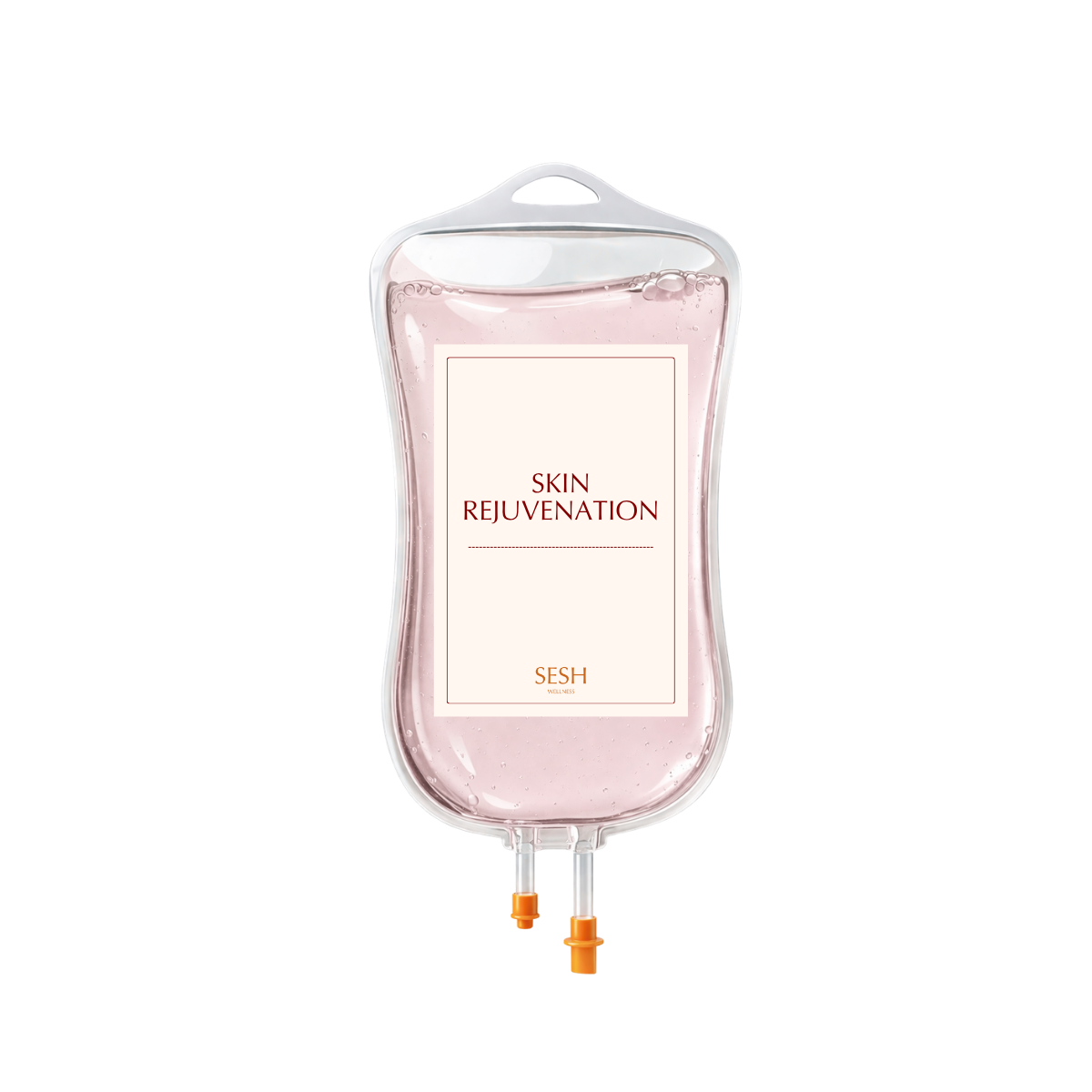
 Doctor consultation is optional
  60 mins
 THB 3,490-28,900