
What Are Hormones and Why Do They Matter?
Hormones are chemical messengers that help regulate many essential processes in the body, including metabolism, energy, sleep, mood, muscle maintenance, reproductive health, and overall well-being.
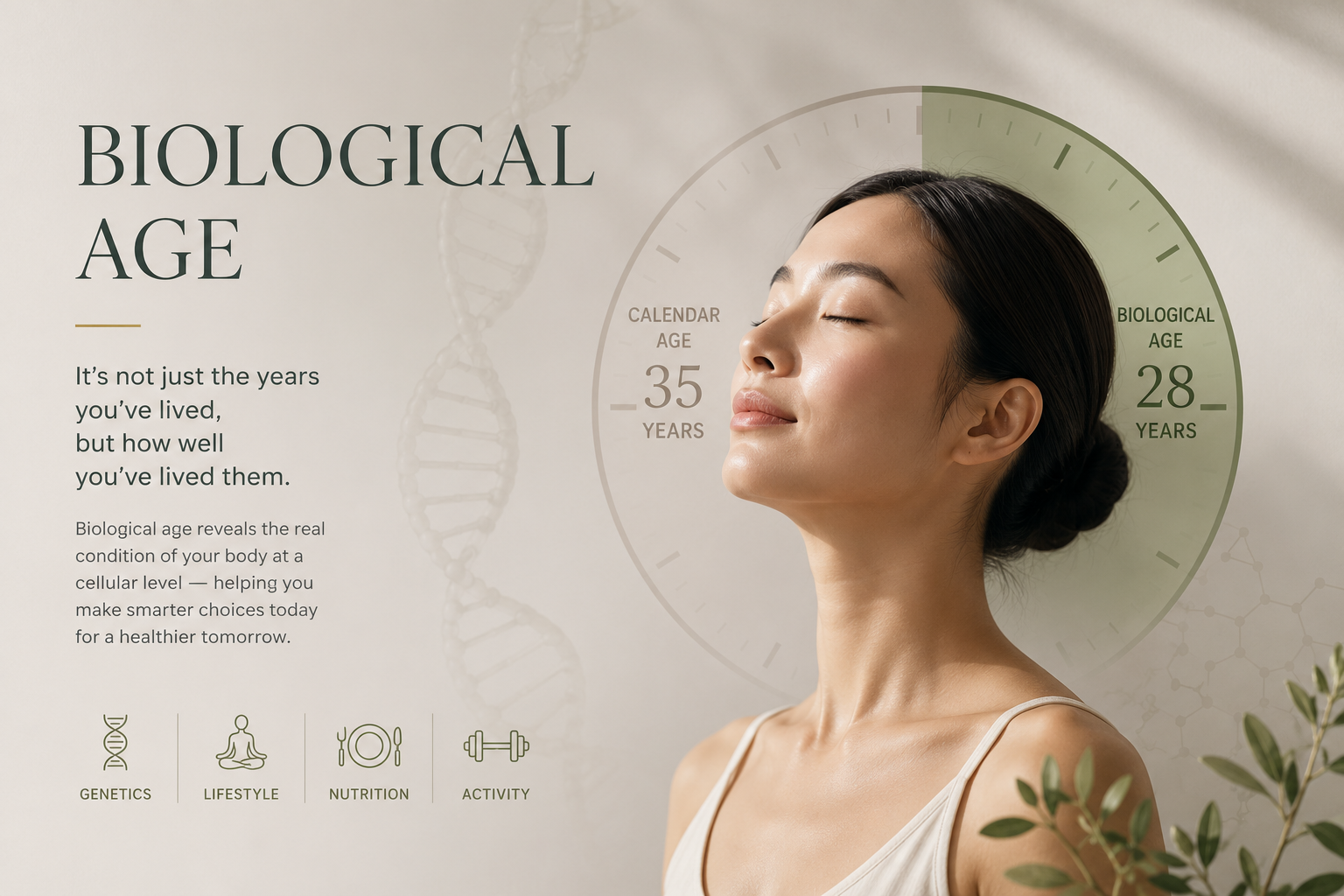
As we age, hormone levels and hormone signaling can naturally change. These changes vary significantly between individuals and may influence how we feel, recover, and maintain physical and cognitive health over time.
Hormone optimization focuses on understanding these changes through appropriate evaluation and supporting healthy hormone balance when clinically appropriate.
Hormones and the Aging Process
Healthy aging involves maintaining function, resilience, and quality of life. Hormones play an important role in many biological systems that contribute to these goals.
Age-related hormonal changes may be associated with:
- Changes in energy and vitality
- Alterations in body composition
- Reduced muscle maintenance and recovery
- Changes in sleep quality
- Shifts in mood and cognitive function
- Changes in sexual health and well-being
However, aging-related symptoms can have many possible causes. A comprehensive evaluation is important before attributing symptoms to hormonal changes alone.
What Is Hormone Optimization?
Hormone optimization is a personalized approach that evaluates hormone levels, symptoms, medical history, lifestyle factors, and overall health.
Rather than focusing only on individual hormone numbers, a thoughtful approach considers:
- How you feel and function
- Your health goals
- Your metabolic and cardiovascular health
- Your lifestyle factors
- Your individual risk profile
When appropriate, healthcare providers may discuss therapies designed to support hormone levels within healthy ranges.
Common Hormones Evaluated in Healthy Aging
Testosterone
Testosterone plays an important role in muscle maintenance, bone health, energy, and overall vitality. Testosterone levels naturally change with age, although symptoms and hormone levels vary widely between individuals.
Evaluation may be considered for individuals experiencing symptoms associated with low testosterone alongside appropriate clinical assessment.
Estrogen and Progesterone
Estrogen and progesterone influence many areas of health, including bone health, metabolism, mood, sleep, and reproductive wellness.
Changes in these hormones, particularly during menopause and perimenopause, may affect quality of life. Personalized evaluation can help determine appropriate approaches for symptom management and long-term health support.
Thyroid Hormones
Thyroid hormones help regulate metabolism, energy production, and many essential bodily functions.
Changes in thyroid function may influence energy levels, weight changes, temperature regulation, and overall well-being. Thyroid health is commonly evaluated through laboratory testing when clinically appropriate.
Growth Hormone and Related Pathways
Growth hormone is involved in tissue maintenance, metabolism, and recovery. Its levels naturally change throughout life.
Research continues to explore the relationship between growth hormone pathways, aging, and healthspan.
Is Hormone Optimization Right for Everyone?
Hormone-related therapies are not appropriate for everyone. Decisions should be based on:
- Symptoms and health concerns
- Laboratory findings
- Personal and family medical history
- Potential benefits and risks
A qualified healthcare professional can help determine whether hormone evaluation or therapy is appropriate for your individual situation.
Hormone Optimization as Part of a Longevity Strategy
Hormones are only one component of healthy aging. Long-term vitality is influenced by many interconnected factors, including:
- Nutrition
- Physical activity
- Sleep quality
- Stress management
- Metabolic health
- Preventive healthcare
A comprehensive longevity approach considers the whole person rather than focusing on a single measurement.
A Thoughtful Approach to Healthy Aging
Understanding your hormones can provide valuable insight into how your body changes over time. With appropriate assessment and personalized guidance, hormone health can become one part of a broader strategy focused on maintaining health, function, and quality of life throughout the aging process.
Medical Disclaimer: Hormone therapies should only be considered following evaluation by a qualified healthcare professional. Individual outcomes vary, and treatments should be personalized based on medical history and clinical needs.